Layered Rewards in Action: How App Incentives Foster Long-Term Card Game Loyalty
Jakob Butler · Oct 13, 2026
Layered Rewards in Action: How App Incentives Foster Long-Term Card Game Loyalty
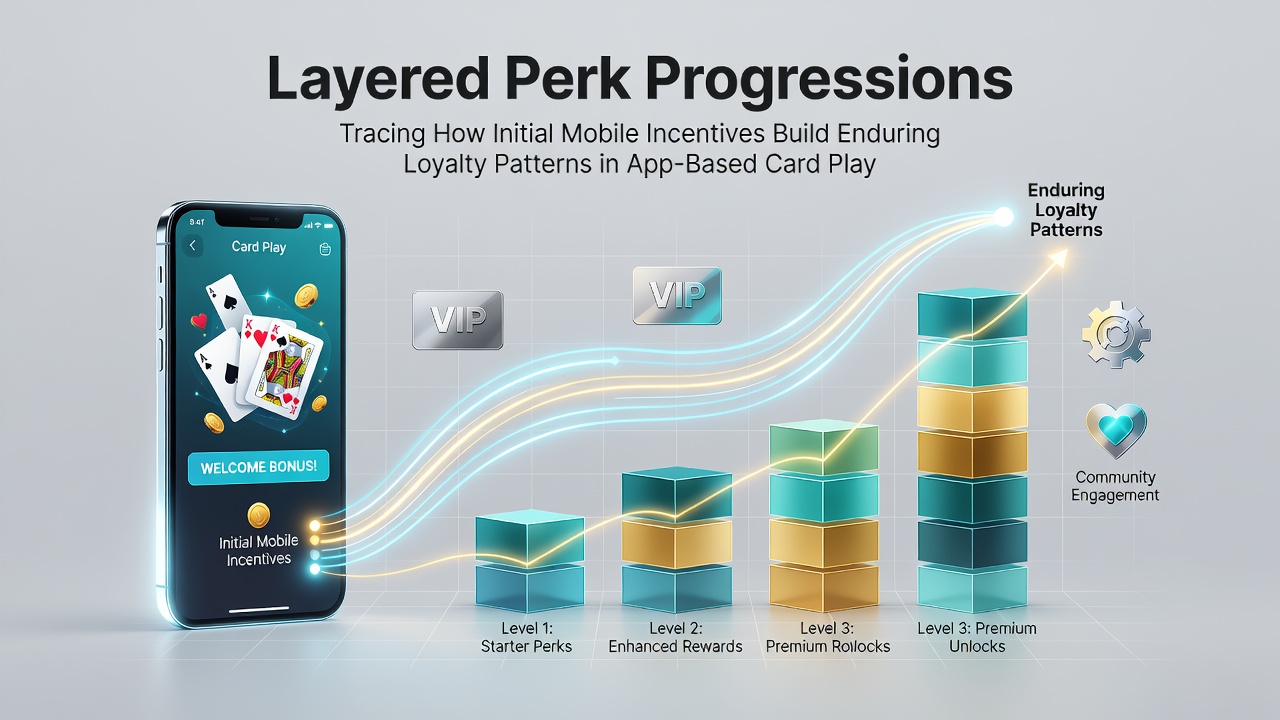
App-based card play platforms structure their incentive systems as sequences of rewards that begin with entry-level offers and advance through multiple tiers, and data from industry reports indicate these progressions encourage repeated engagement over extended periods. Initial incentives such as activation keys or free play credits serve as entry points that introduce users to core mechanics while collecting behavioral data that informs subsequent reward adjustments.
Entry-Level Incentives and Their Role in User Activation
Platforms deploy no-deposit bonuses and limited-time credits to lower barriers for first-time downloads, and these offers typically require minimal commitments like account verification before unlocking access to simulated table environments. Research from the Ontario Lottery and Gaming Corporation shows that activation rates increase when incentives align directly with popular variants such as blackjack, creating immediate opportunities for practice rounds that transition into real-stakes sessions once users complete tutorial sequences.
Users often receive tiered point multipliers on early wins, and these multipliers connect directly to loyalty meters that track session frequency alongside total wagers placed. Observers note that such mechanics allow platforms to segment audiences based on retention signals within the first seven days, after which personalized follow-up offers appear to maintain momentum toward the next progression layer.
Progression Through Tiered Perks and Data-Driven Adjustments
Once players accumulate sufficient activity points, systems unlock intermediate benefits including cashback percentages on net losses and priority access to themed events, and these benefits scale according to cumulative play volume rather than single-session performance. Figures from the Australian Gambling Research Centre reveal that players who advance past the initial tier demonstrate higher average session lengths compared with those who remain at entry level, suggesting the layered structure supports extended participation patterns.
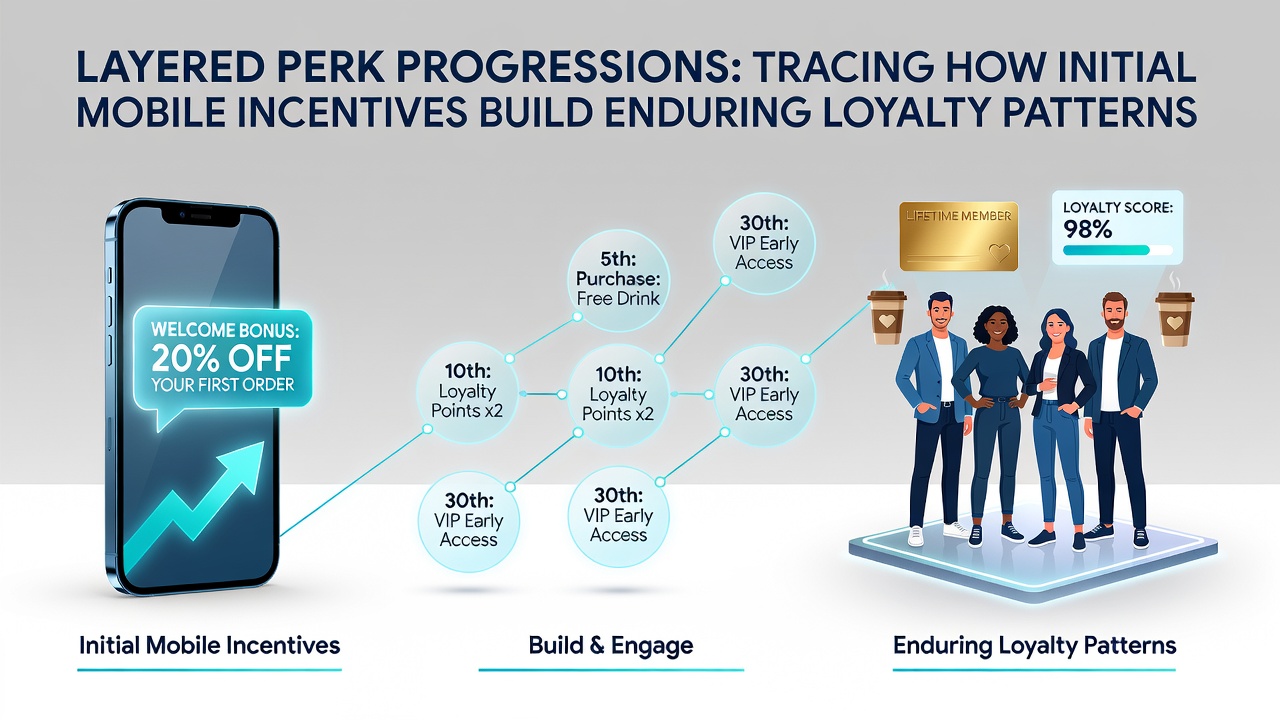
Advanced tiers introduce exclusive table variants and accelerated reward accumulation rates, while automated algorithms adjust offer values based on individual risk profiles and historical engagement metrics. As of October 2026, several platforms have incorporated regulatory feedback loops that cap maximum daily incentives for certain user segments, yet the core progression framework remains intact because it emphasizes gradual value delivery over abrupt windfalls.
Retention Patterns and Long-Term Engagement Metrics
Longitudinal tracking indicates that players who navigate multiple perk layers exhibit lower churn rates during subsequent quarters, and this stability emerges because each new reward level introduces fresh mechanics such as streak bonuses or community leaderboards that renew interest without requiring platform switches. Industry analyses from the European Gaming and Betting Association document that loyalty programs built on sequential incentives correlate with increased cross-promotion uptake, where users explore additional game types after mastering the primary card format.
Platforms also integrate social features that tie personal progress to group challenges, and participants who join these activities often receive supplemental rewards that reinforce the layered model. Data shows that such integrations extend average user lifespan on a single application by encouraging consistent logins tied to both individual and collective milestones.
Conclusion
Layered perk systems in mobile card platforms operate through interconnected stages that convert initial incentives into sustained participation frameworks, and available metrics confirm these structures influence loyalty patterns across diverse user groups. Continued refinement of progression mechanics, informed by regional regulatory shifts and usage statistics, supports ongoing adaptation within the app-based card play sector.