Reward Layering Dynamics: Bonus Sequences Shaping Retention in Blackjack Mobile Platforms
Bianca Weber · Oct 27, 2026
Reward Layering Dynamics: Bonus Sequences Shaping Retention in Blackjack Mobile Platforms
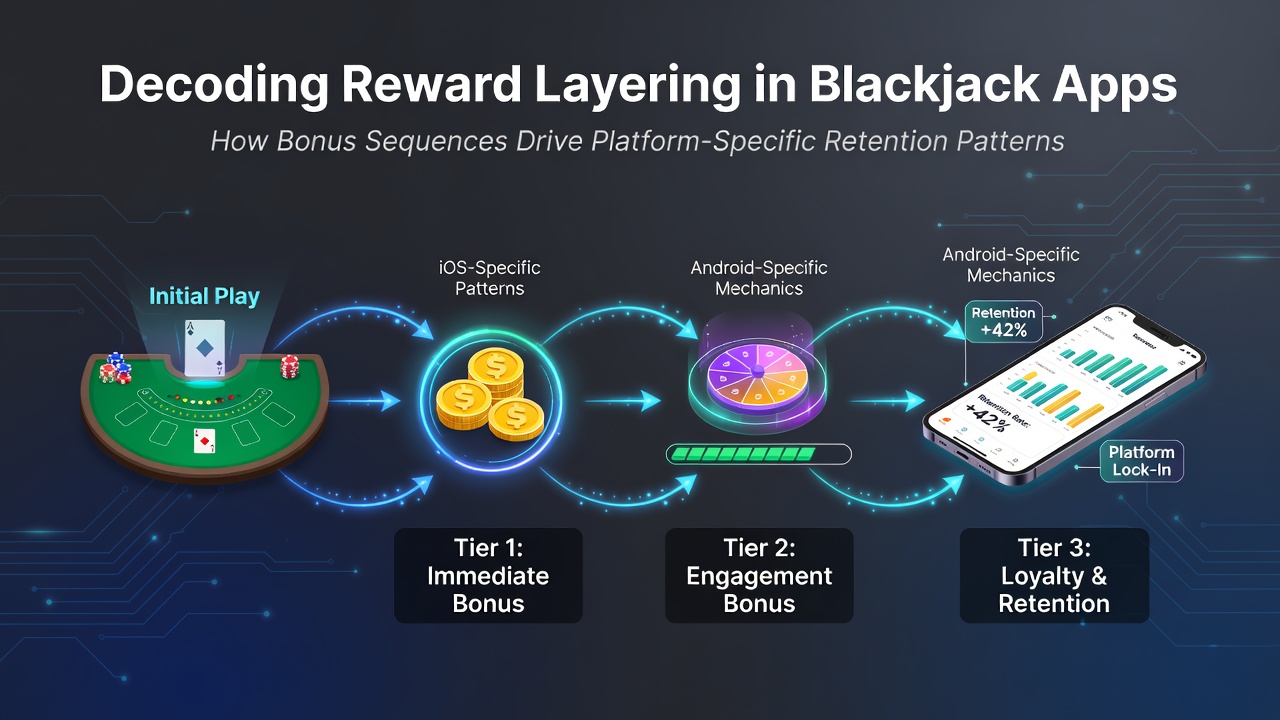
Blackjack applications on mobile devices employ reward layering through sequenced bonuses that build from initial free credits into ongoing incentives tied to play volume and platform engagement; these structures differ across operating systems and app ecosystems while data from industry reports shows measurable effects on how long users remain active.
Core Mechanics of Sequential Bonuses
Developers structure bonuses in stages where an entry-level activation code unlocks basic play credits, and subsequent deposits or session milestones trigger additional layers such as matched funds or cashback percentages; each layer often carries distinct wagering requirements that escalate in complexity, and this progression encourages continued interaction without immediate cash withdrawal options.
Research from academic institutions indicates that such sequences create pathways where early rewards reduce the barrier to entry while later tiers reward consistent activity through loyalty multipliers, and observers note that the timing between layers influences whether players complete the full sequence or drop off at intermediate points.
Platform Variations Across Mobile Ecosystems
Applications distributed through iOS and Android stores implement these layers differently because of store policies on promotional content and payment processing, and Android-based platforms frequently allow more flexible bonus sequencing that incorporates in-app events tied to device-specific features like push notifications for new reward tiers.
iOS environments tend to route bonus activation through stricter review processes which results in sequences that emphasize longer-term milestones over immediate triggers, and figures from regulatory filings reveal that retention metrics vary accordingly with Android users showing higher completion rates for multi-layer progressions in several tracked markets.
Data Patterns in User Retention
Studies compiled by gaming research groups demonstrate that players who advance through at least three bonus layers exhibit session frequency increases of 25 to 40 percent compared to those who engage only with entry offers, and these patterns hold across multiple app versions released in recent years.

Platform-specific retention emerges when sequences align with device user behaviors such as shorter daily sessions on tablets versus extended evening play on phones, and data indicates that apps optimized for one ecosystem retain users longer when their bonus timing matches those habits.
Examples of Layered Progression in Practice
One case documented in industry analyses involves an app that starts users with a no-deposit credit bundle followed by a deposit match after the first completed session, and then introduces a weekly loyalty boost based on total hands played; players who reach the third layer show sustained weekly activity extending into multiple months according to aggregated telemetry.
Another sequence observed in cross-platform releases ties bonus unlocks to both in-game achievements and external referrals, creating compound layers that reward social engagement alongside solo play, and retention figures from those deployments indicate stronger platform loyalty among users who activate the referral component early.
Regulatory Context and Reporting Standards
Government agencies in various regions track how these bonus structures comply with responsible gaming guidelines, and reports from the Nevada Gaming Control Board highlight disclosure requirements for wagering terms that affect how sequences are presented to users. Meanwhile the Australian Gambling Research Centre has published findings on digital incentive impacts that extend to mobile card game applications.
Operators adjust sequences to meet these standards while preserving the motivational flow that drives retention, and compliance updates scheduled through late 2026 continue to shape how layers are communicated without altering the underlying progression mechanics.
Conclusion
Bonus sequences in blackjack applications function as interconnected layers that guide users from initial activation toward sustained engagement, and the platform-specific adaptations observed across ecosystems produce distinct retention outcomes supported by available industry and regulatory data. Continued monitoring of these patterns will clarify how sequence design continues to evolve alongside device capabilities and policy requirements.